Sanskritiko Naya Yatra:
Chapter 3
Nepali: Solution: Class 11
Sanskritiko Naya Yatra (The New Journey of Culture) is the third chapter of the Class 11 Nepali textbook. It explores Nepal’s rich cultural diversity, its significance, ways to preserve it, and the awareness needed to promote a vibrant cultural heritage. The chapter highlights various ethnic groups’ languages, attire, traditions, arts, music, dance, cuisine, and lifestyle as invaluable aspects of Nepali society.
The solutions for this chapter include answers to exercises, summaries, key points, vocabulary explanations, and interpretations, helping students gain a deeper understanding and prepare effectively for exams.
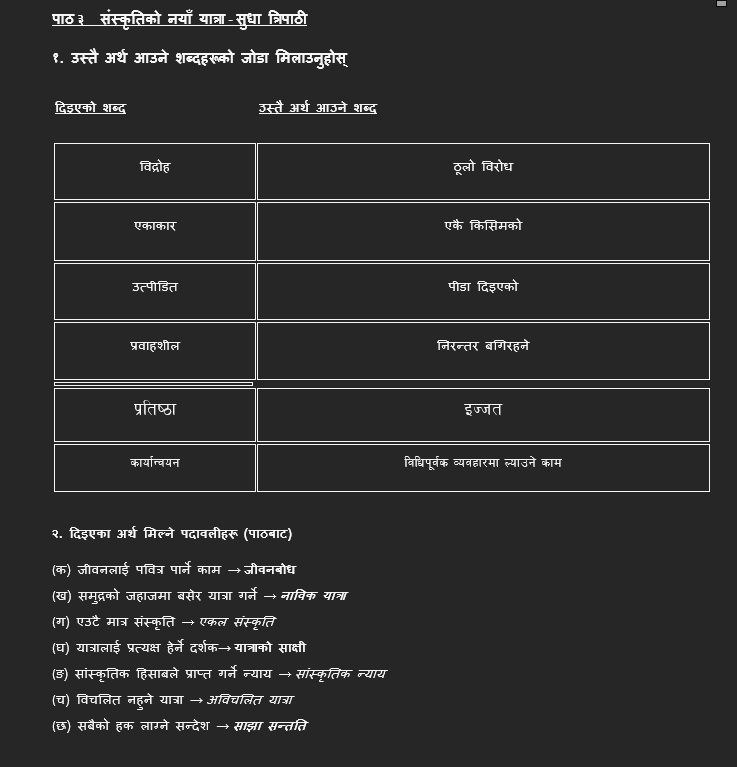
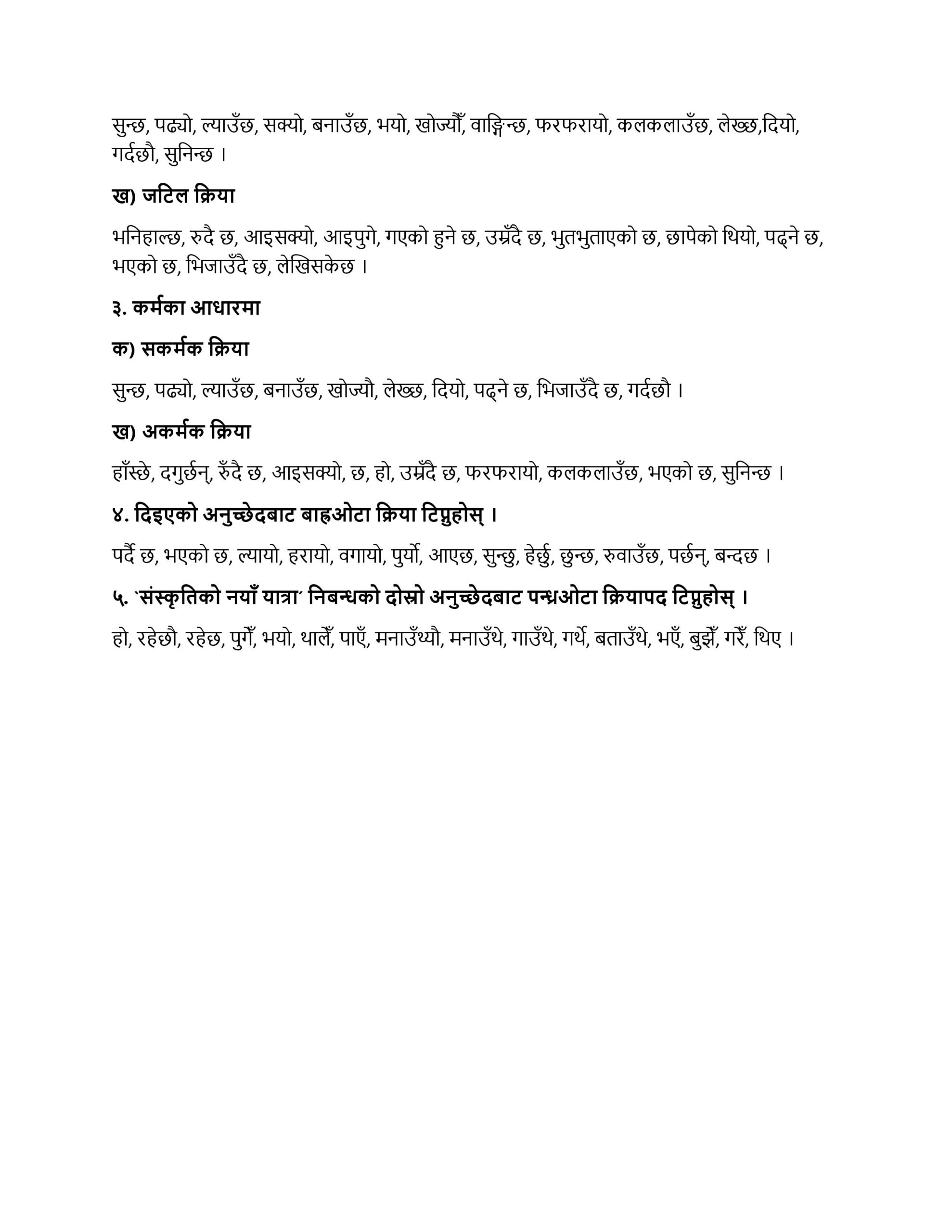
The chapter emphasizes the beauty of Nepal’s multi-ethnic and multilingual society, mutual respect, unity, and cultural tolerance. It also discusses challenges such as cultural discrimination, distortions, external influences, and lack of preservation, while suggesting solutions to maintain cultural integrity.
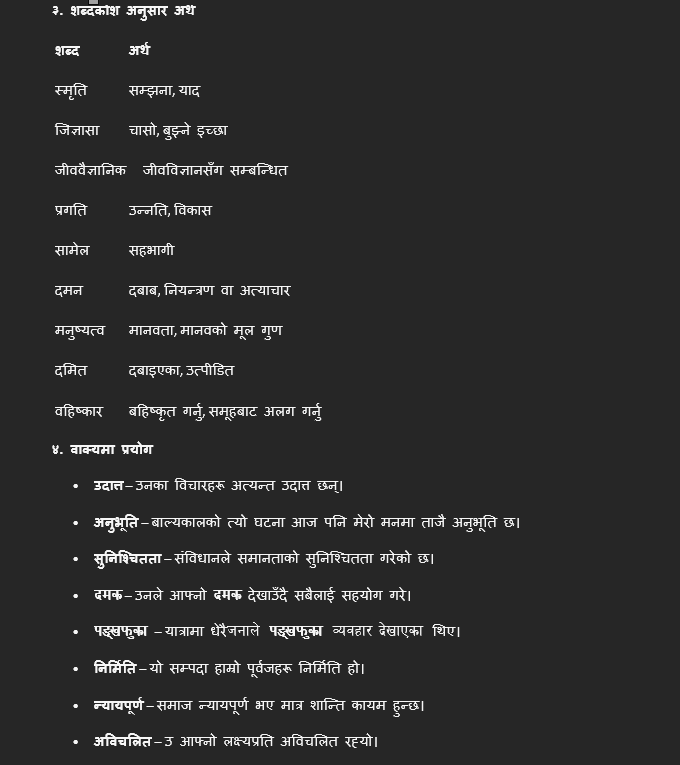
The chapter begins by explaining the concept of culture, defining it as the identity, traditions, and way of life of a community. Culture shapes how people speak, think, behave, and celebrate life.
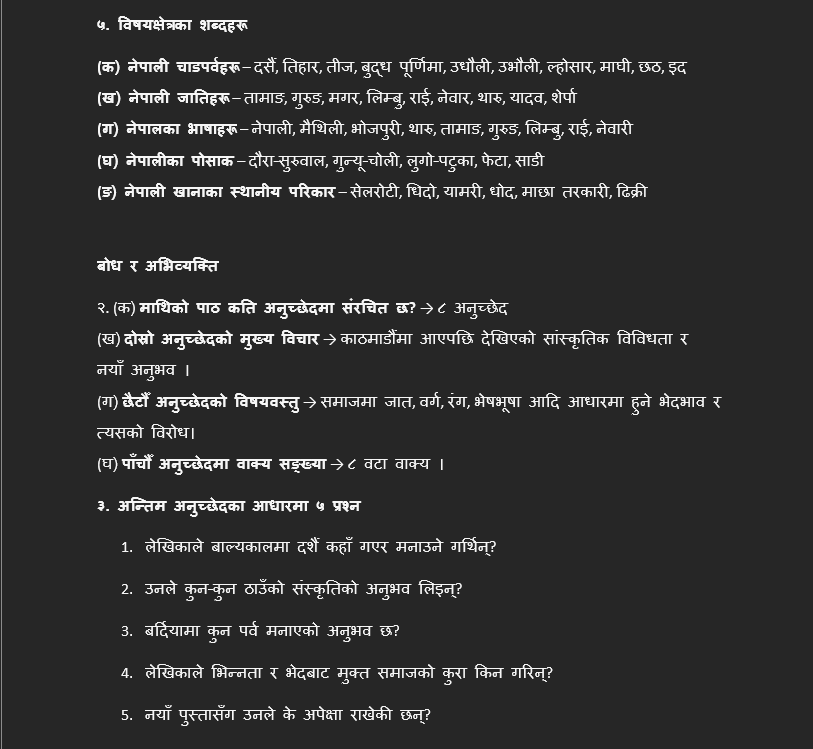
Nepal is a multi-ethnic, multi-linguistic, and multi-religious country. Each community contributes unique customs, festivals, and arts, creating a rich and diverse cultural landscape.

The chapter emphasizes the importance of preserving cultural heritage. Traditional practices, languages, and art forms must be maintained for future generations.

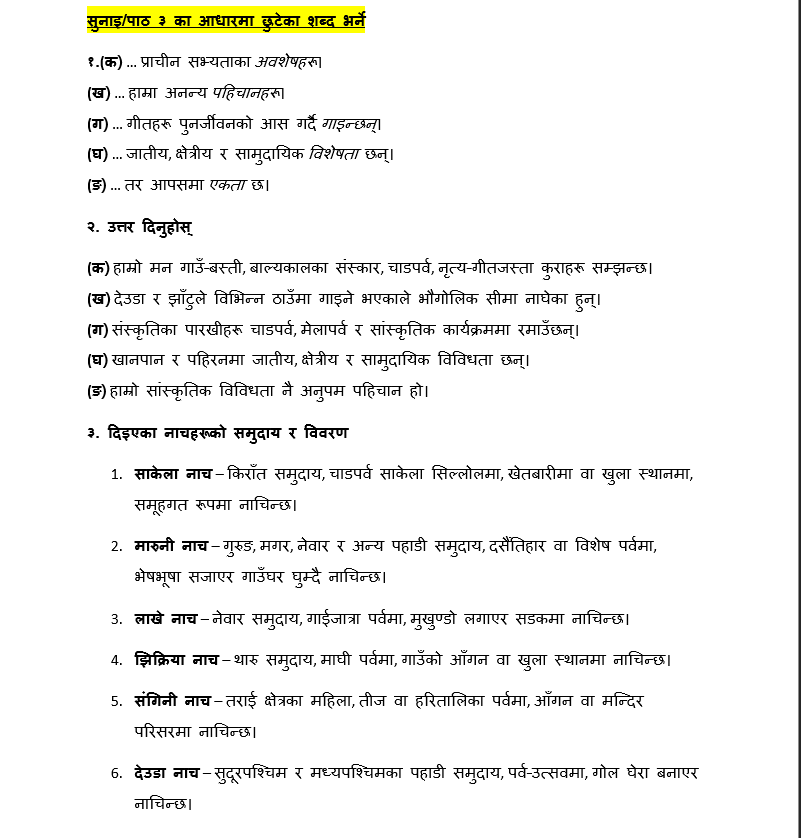
It highlights major Nepali festivals, rituals, and ceremonies, showing how they strengthen social bonds and preserve cultural identity. Examples include Dashain, Tihar, Deuda, and local harvest celebrations.
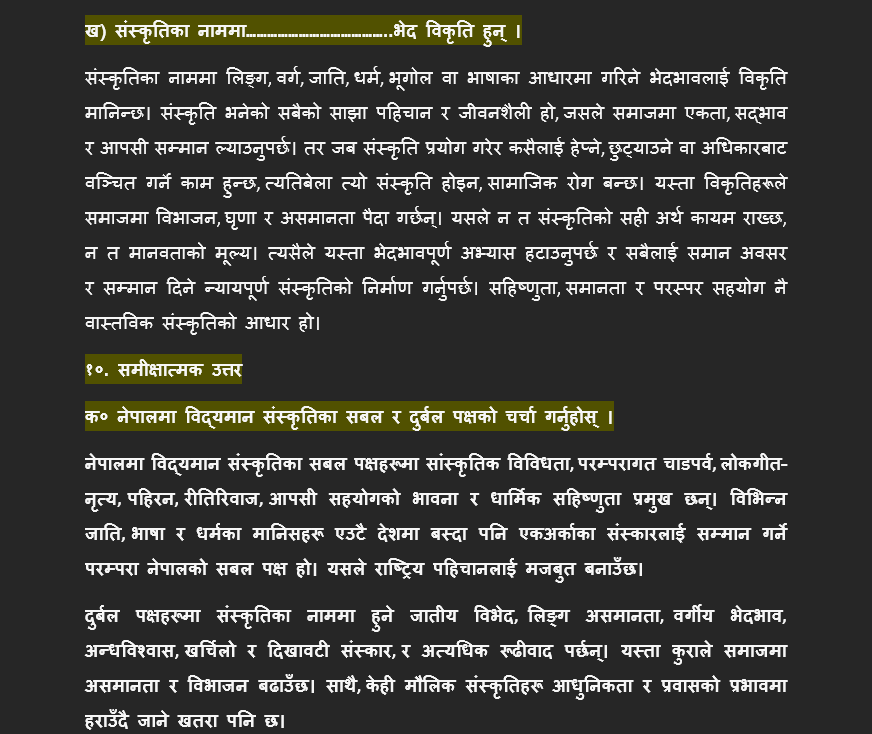
Nepali literature and languages of various ethnic groups are discussed. Language is a vital carrier of culture, helping to transmit knowledge, stories, and values.

Traditional clothing, housing styles, and food habits are explored. These reflect regional and ethnic identities while connecting people to their roots.
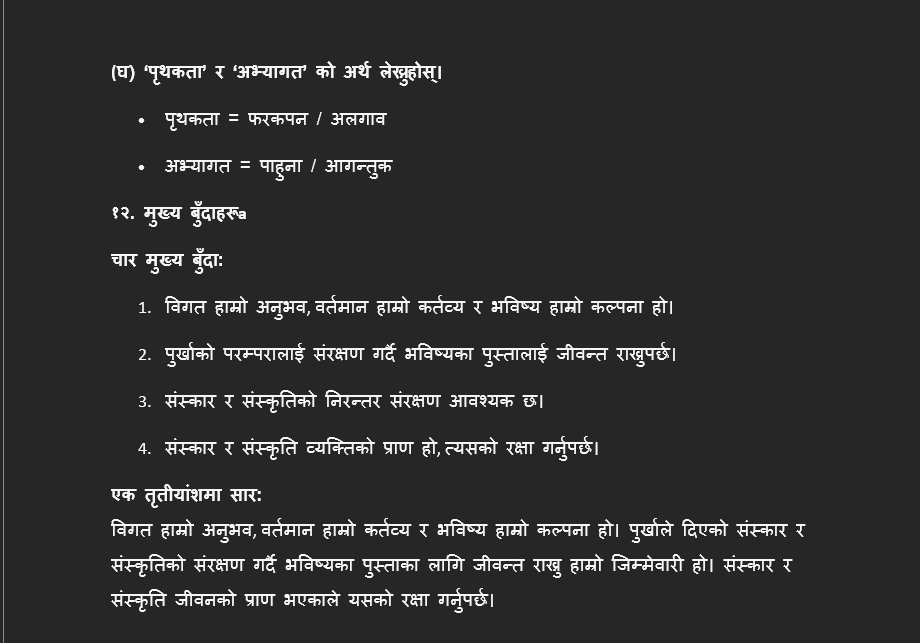
The chapter describes Nepal’s artistic heritage, including folk songs, dances, painting, and handicrafts. These forms express emotions, history, and social values.
It discusses challenges like cultural erosion, social discrimination, modernization, and lack of awareness, which threaten traditional practices and unity.
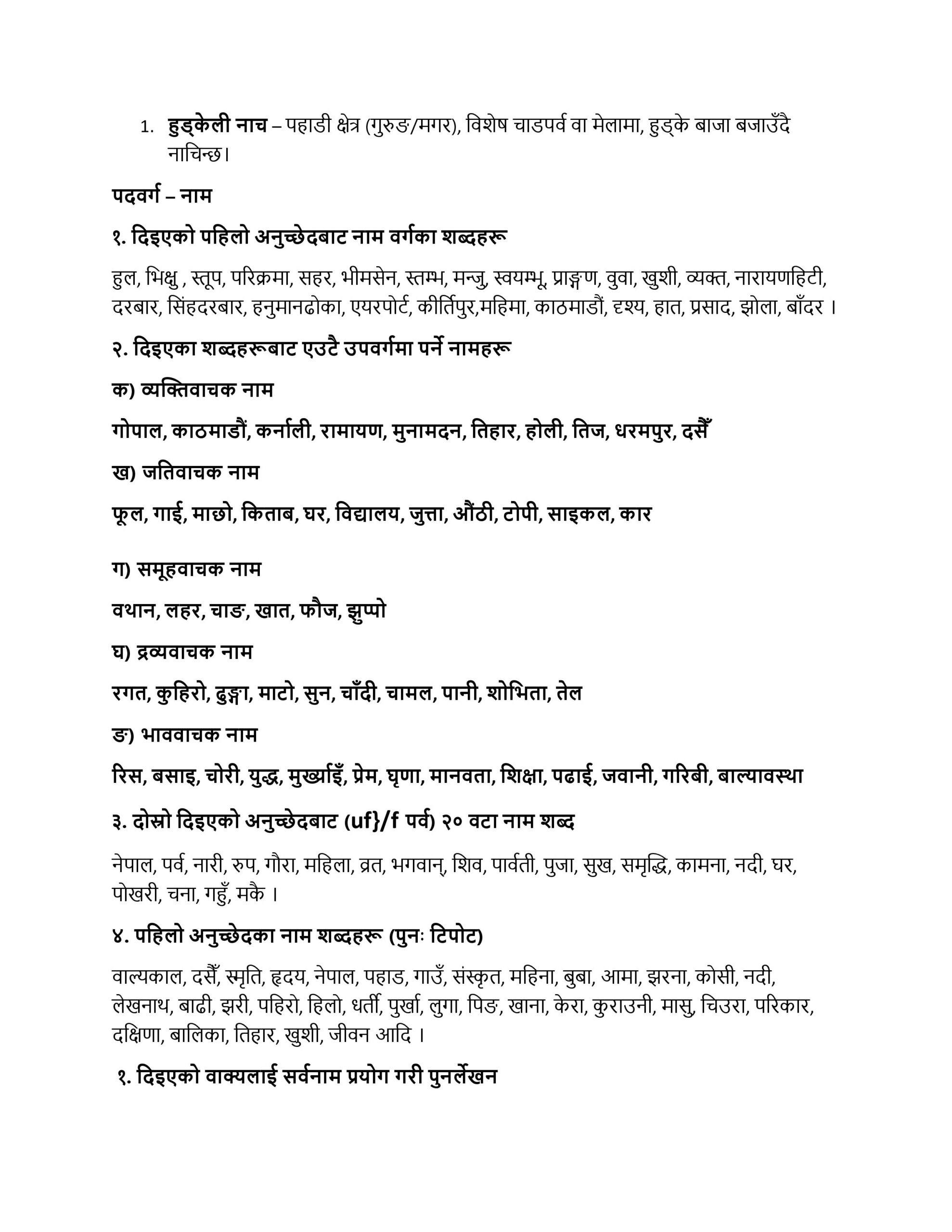
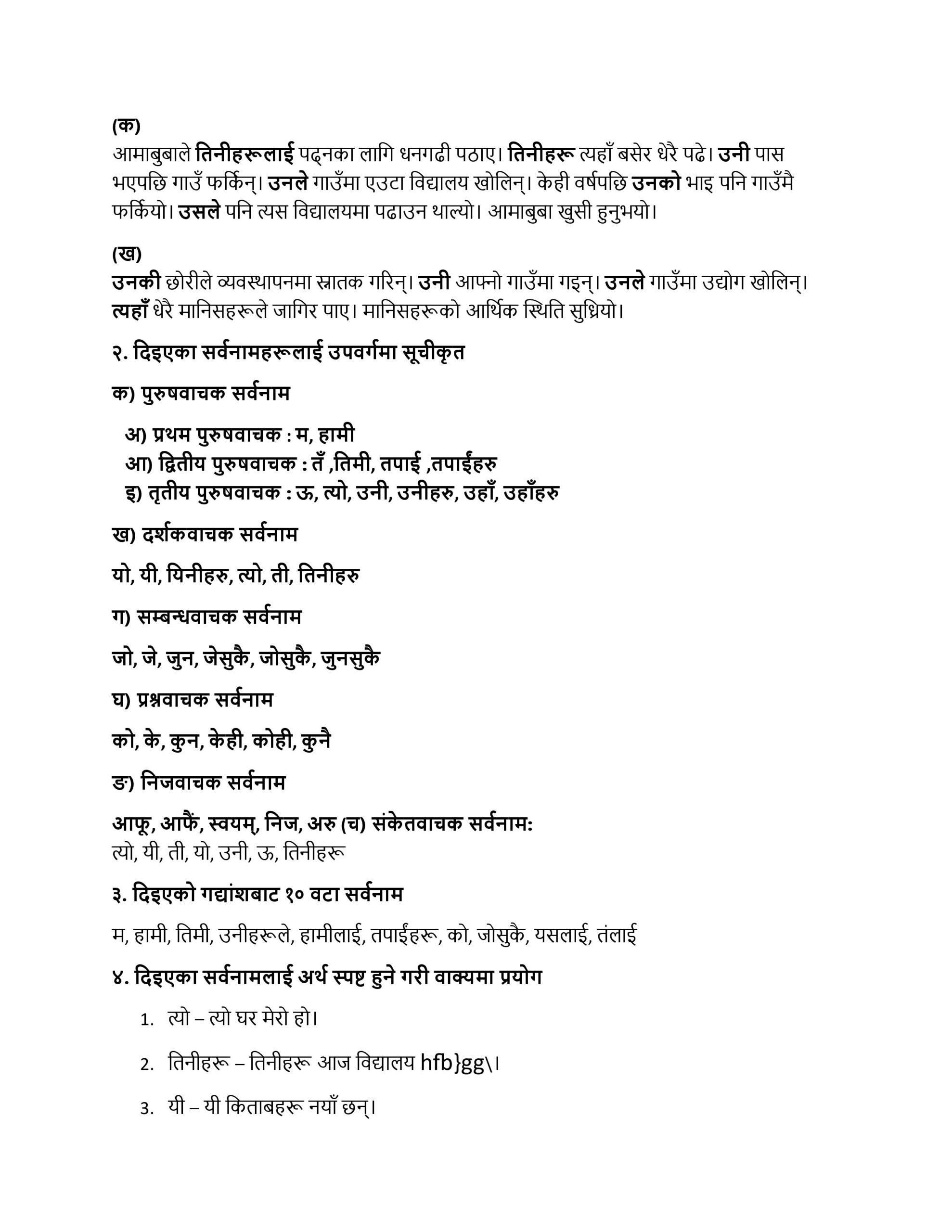
The chapter stresses that a culturally aware and just society ensures equality and mutual respect among all communities, promoting social harmony.

Finally, it encourages students to actively participate in preserving and promoting culture, understanding its value, and fostering pride in Nepal’s cultural richness.

Sanskritiko Naya Yatra (The New Journey of Culture) is the third chapter of the Class 11 Nepali textbook. It explores Nepal’s rich cultural diversity, its significance, ways to preserve it, and the awareness needed to promote a vibrant cultural heritage. The chapter highlights various ethnic groups’ languages, attire, traditions, arts, music, dance, cuisine, and lifestyle as invaluable aspects of Nepali society.
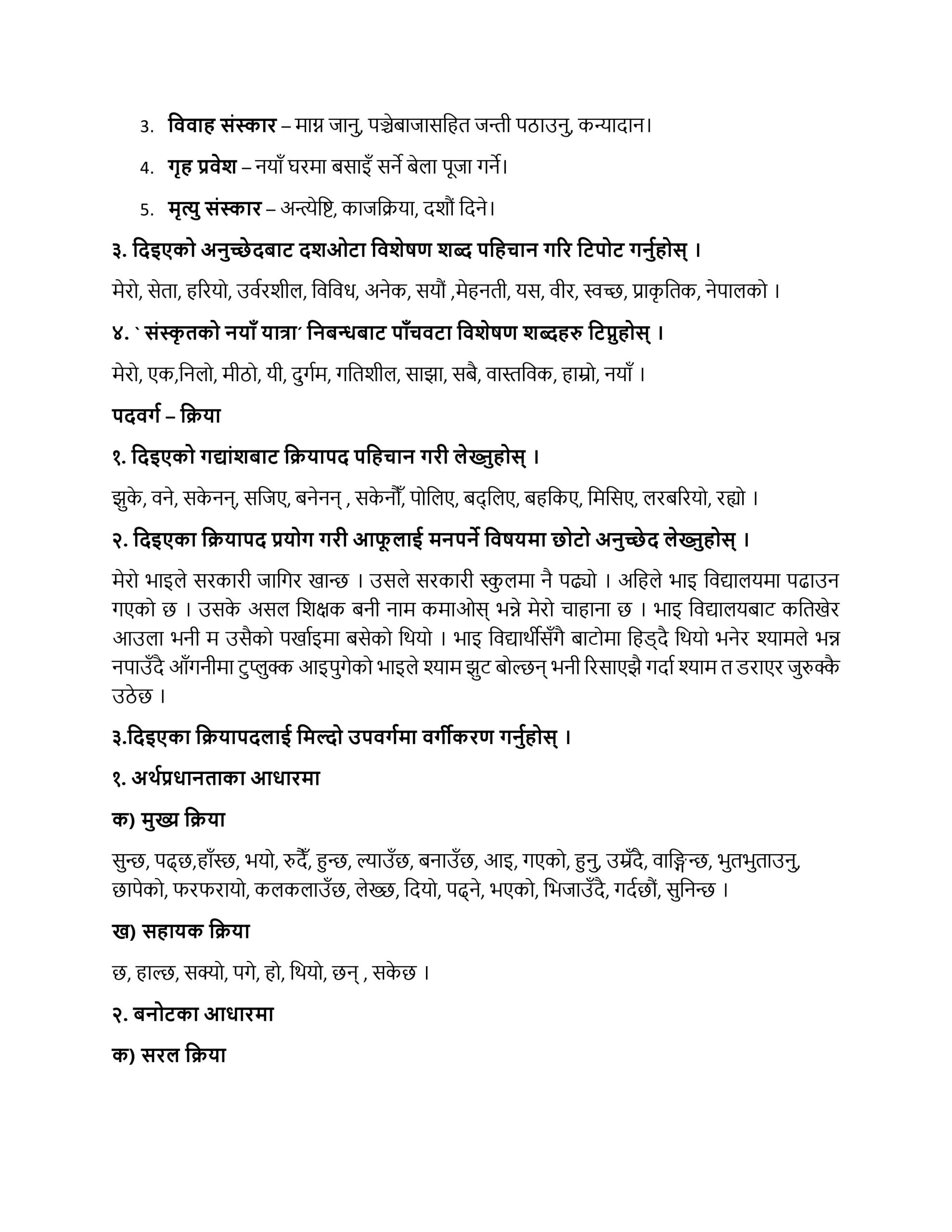
The chapter describes Nepal’s artistic heritage, including folk songs, dances, painting, and handicrafts. These forms express emotions, history, and social values.