Mechanics: Class 11 Physics Note
Mechanics is the branch of physics that deals with the motion of objects and the forces that cause or change this motion. It provides a systematic way to understand how bodies move under the influence of forces and helps explain phenomena in nature. Mechanics is divided into kinematics, dynamics, and statics, each focusing on different aspects of motion and equilibrium. Understanding mechanics is fundamental because it forms the basis for most topics in physics, including fluid mechanics, thermodynamics, and modern physics.
Kinematics
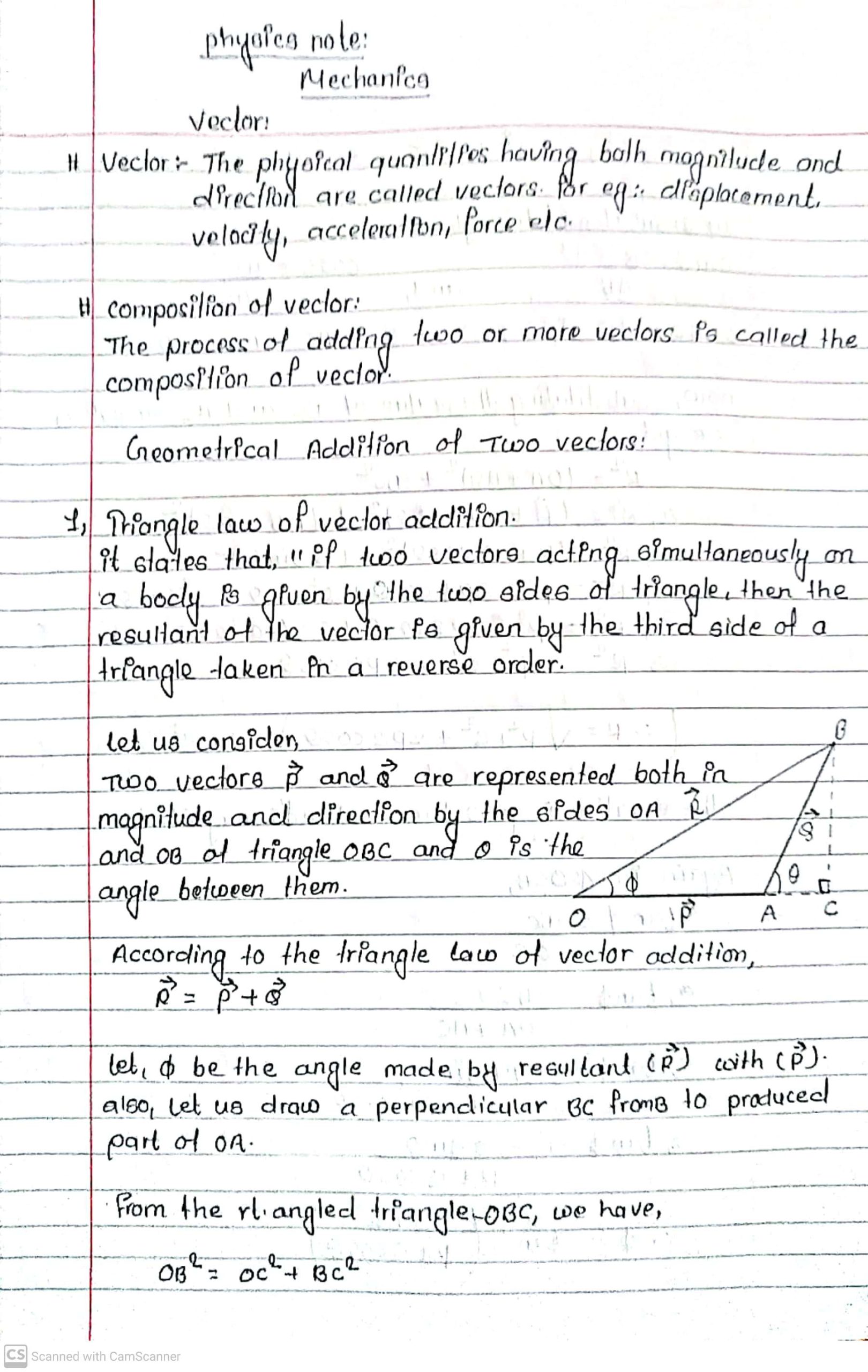
Kinematics is the study of motion without considering the forces that cause it. It describes how objects move in terms of displacement, velocity, and acceleration. Motion can be linear, circular, or projectile. In linear motion, an object moves along a straight path, while circular motion involves rotation around a fixed point. The equations of motion for constant acceleration, such as v=u+atv = u + at and s=ut+12at2s = ut + \frac{1}{2}at^2, help predict the position and speed of moving objects. Kinematics provides the language to describe motion, which is essential for solving real-world problems.
Dynamics
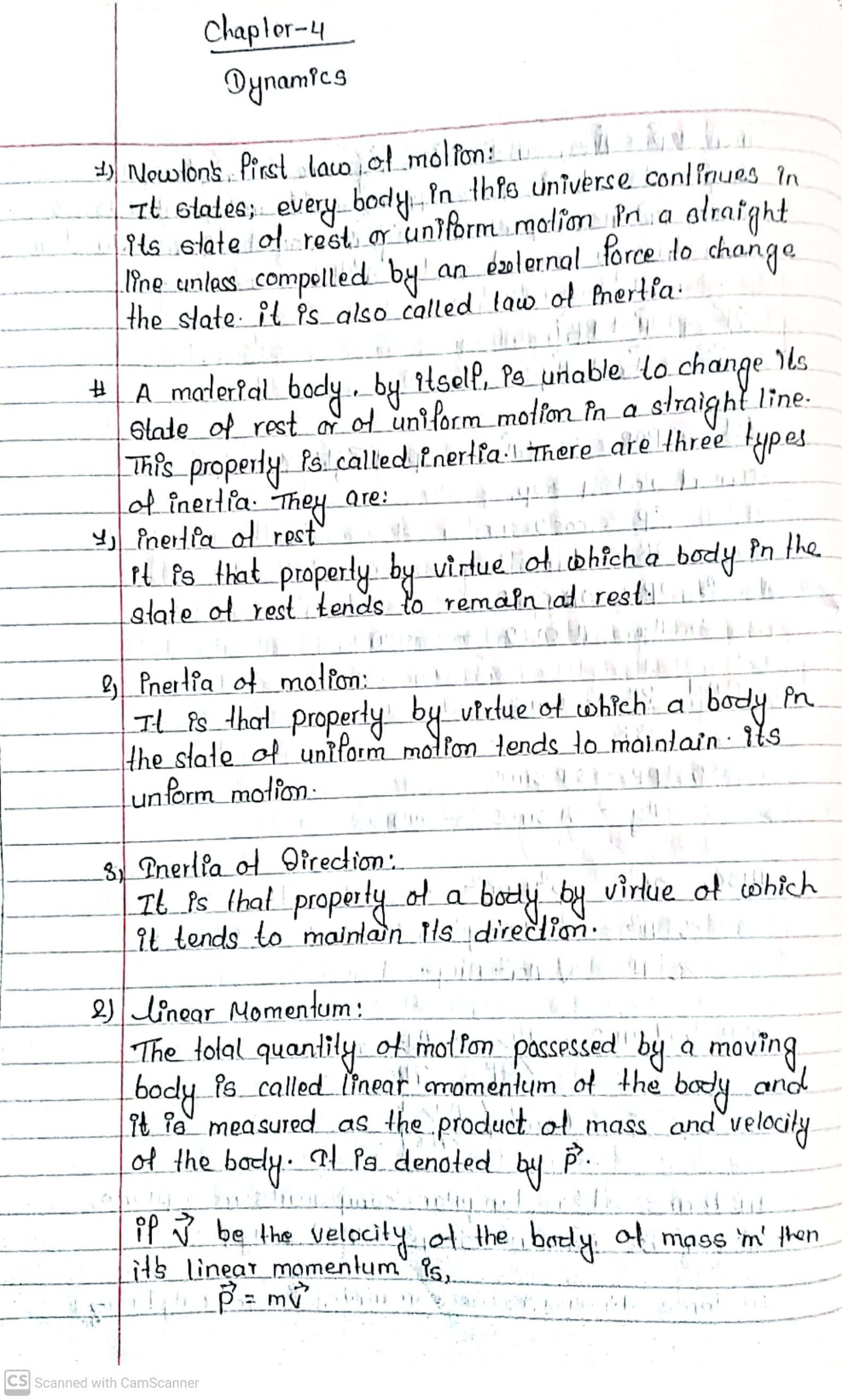
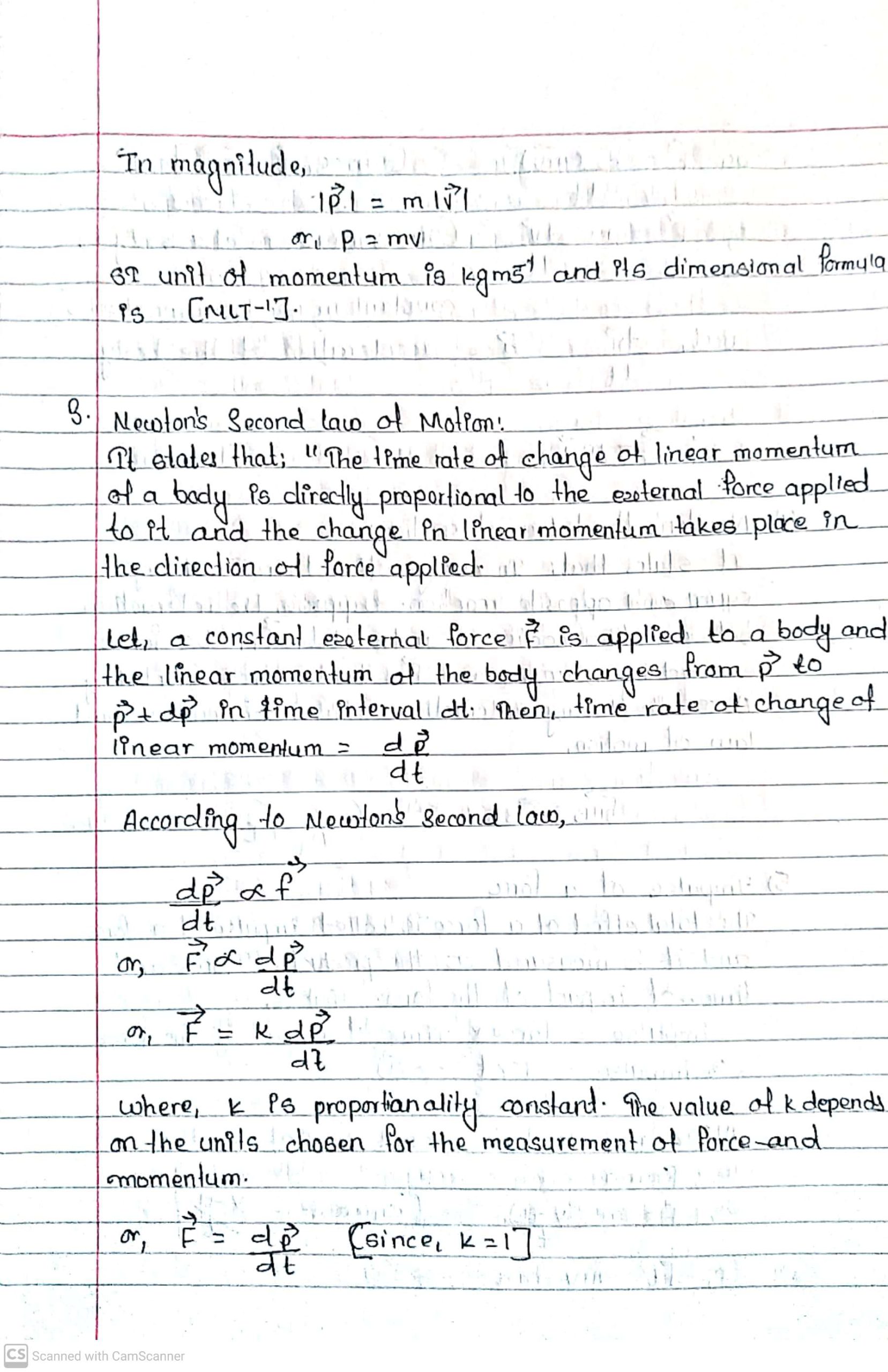
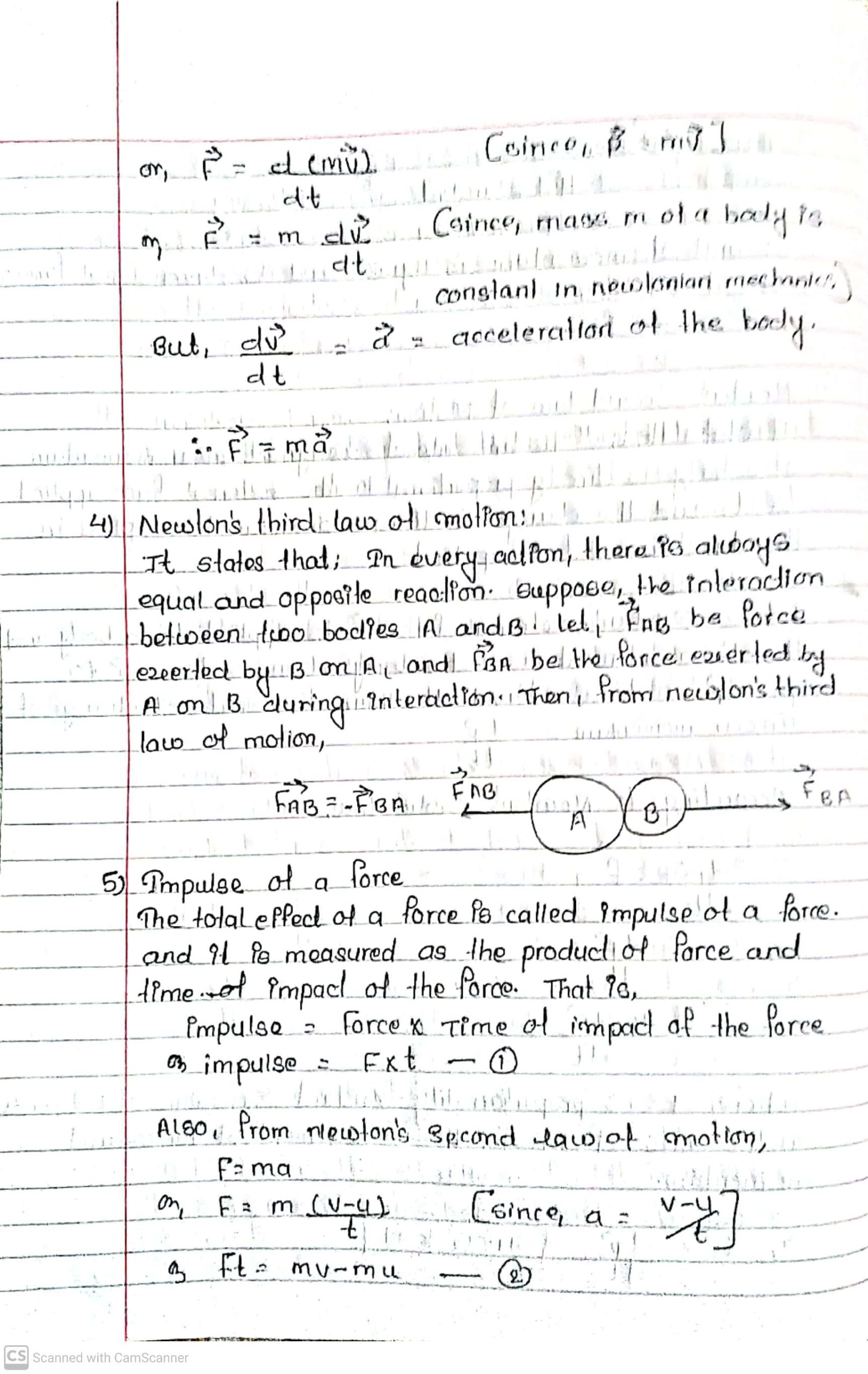
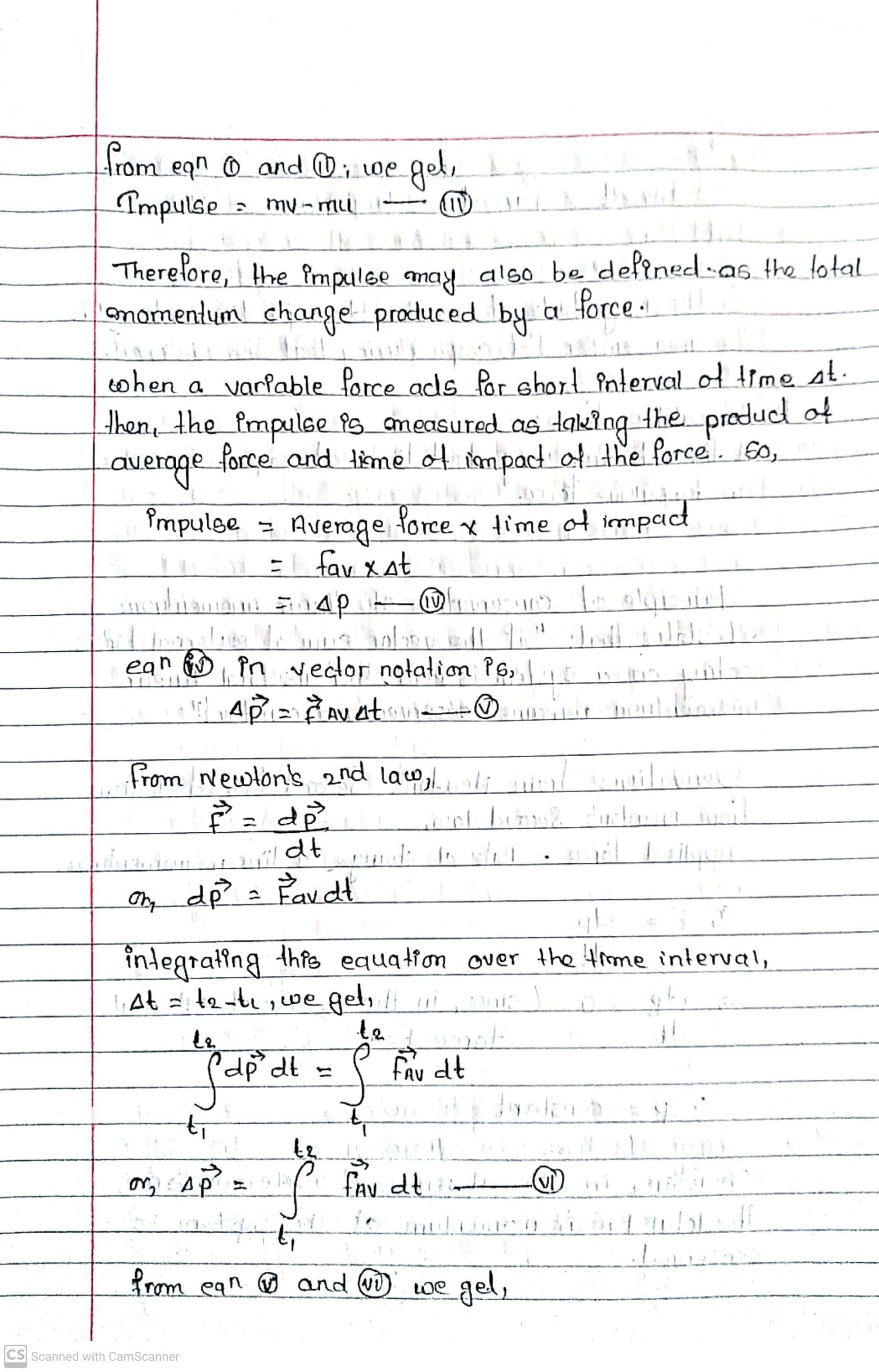
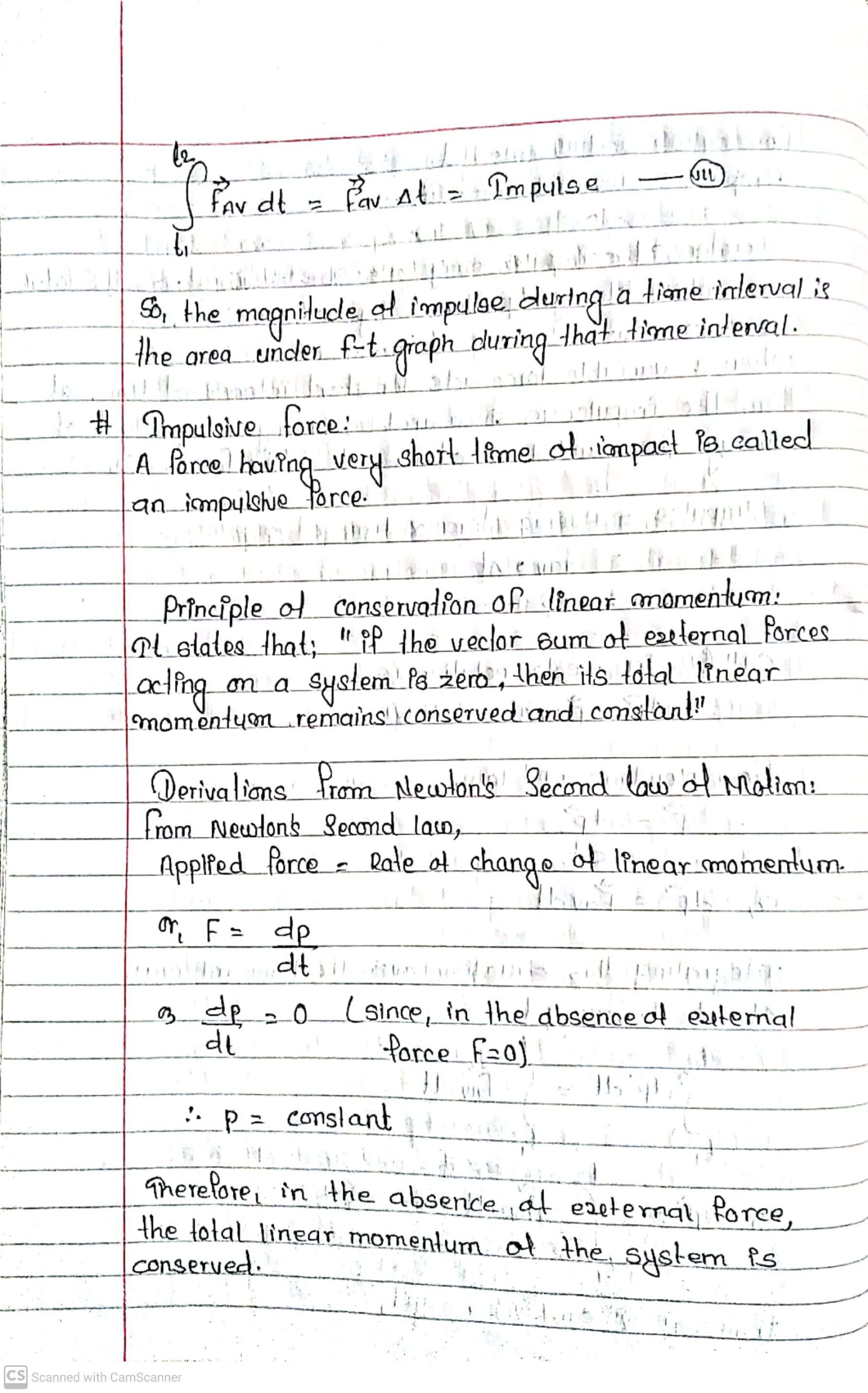
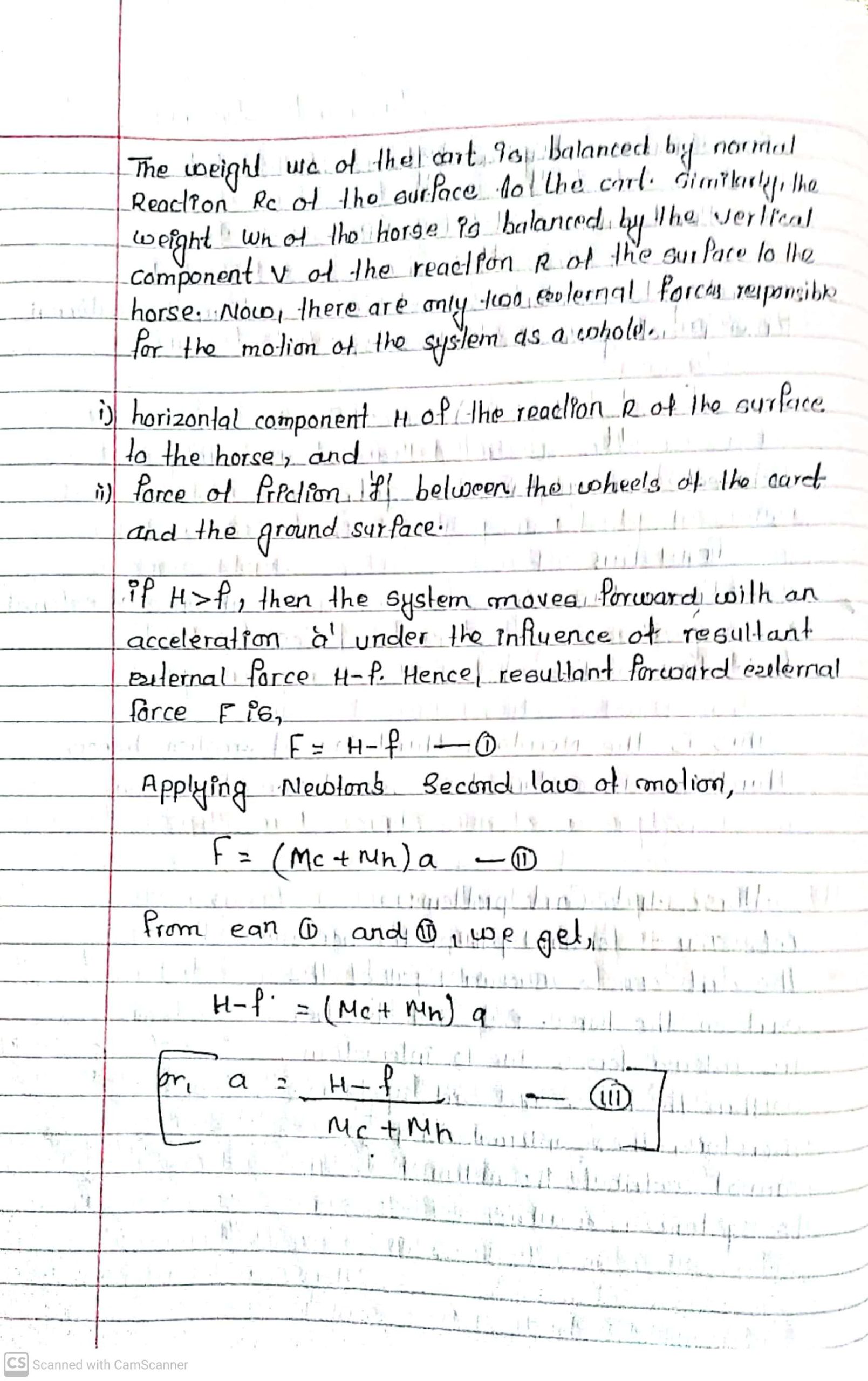
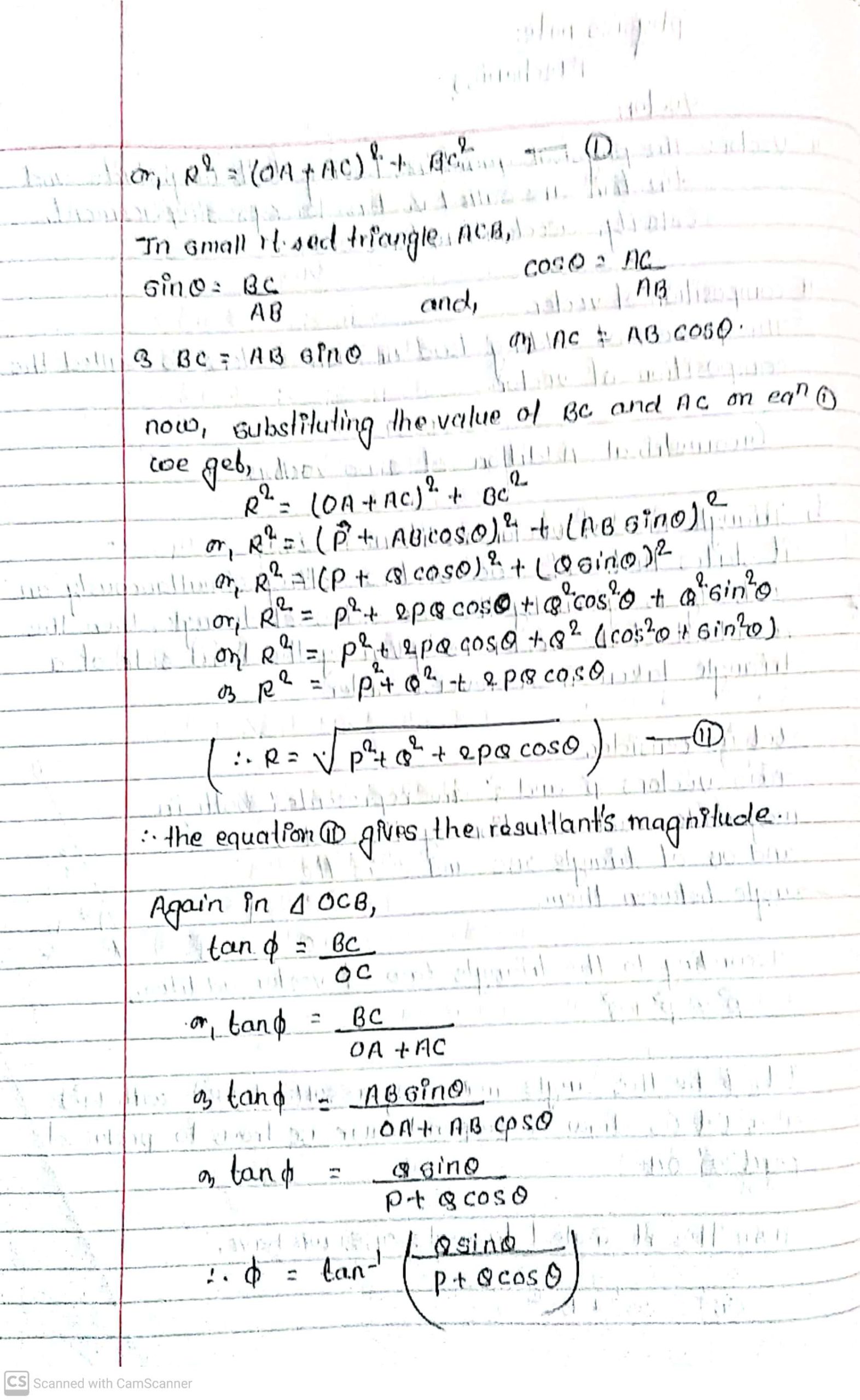
Dynamics studies the relationship between motion and the forces causing it. Newton’s laws of motion are the foundation of dynamics:
-
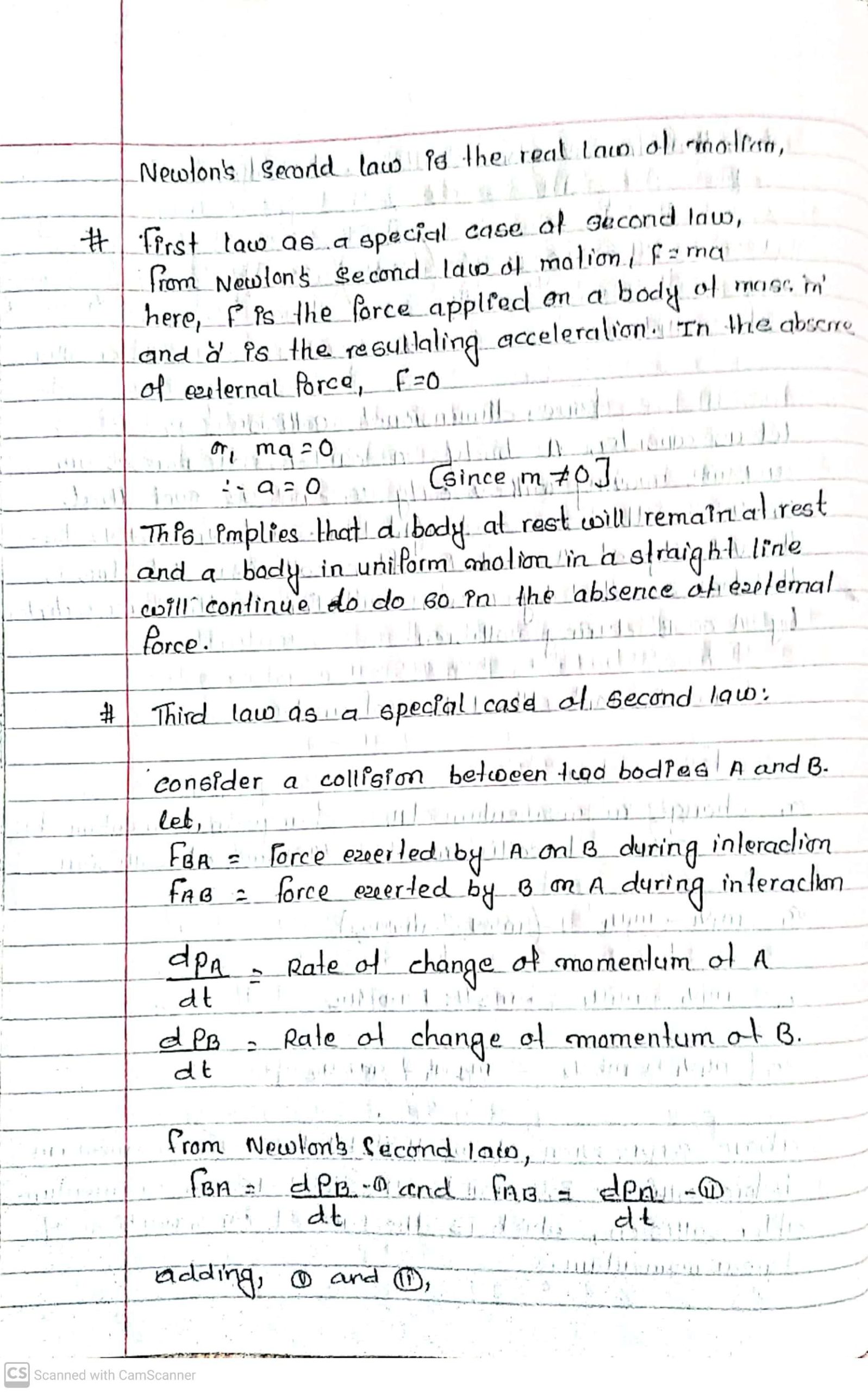
First Law (Law of Inertia): A body remains at rest or in uniform motion unless acted upon by an external force.
-
Second Law: The force acting on an object is equal to the rate of change of its momentum (F=maF = ma).
-
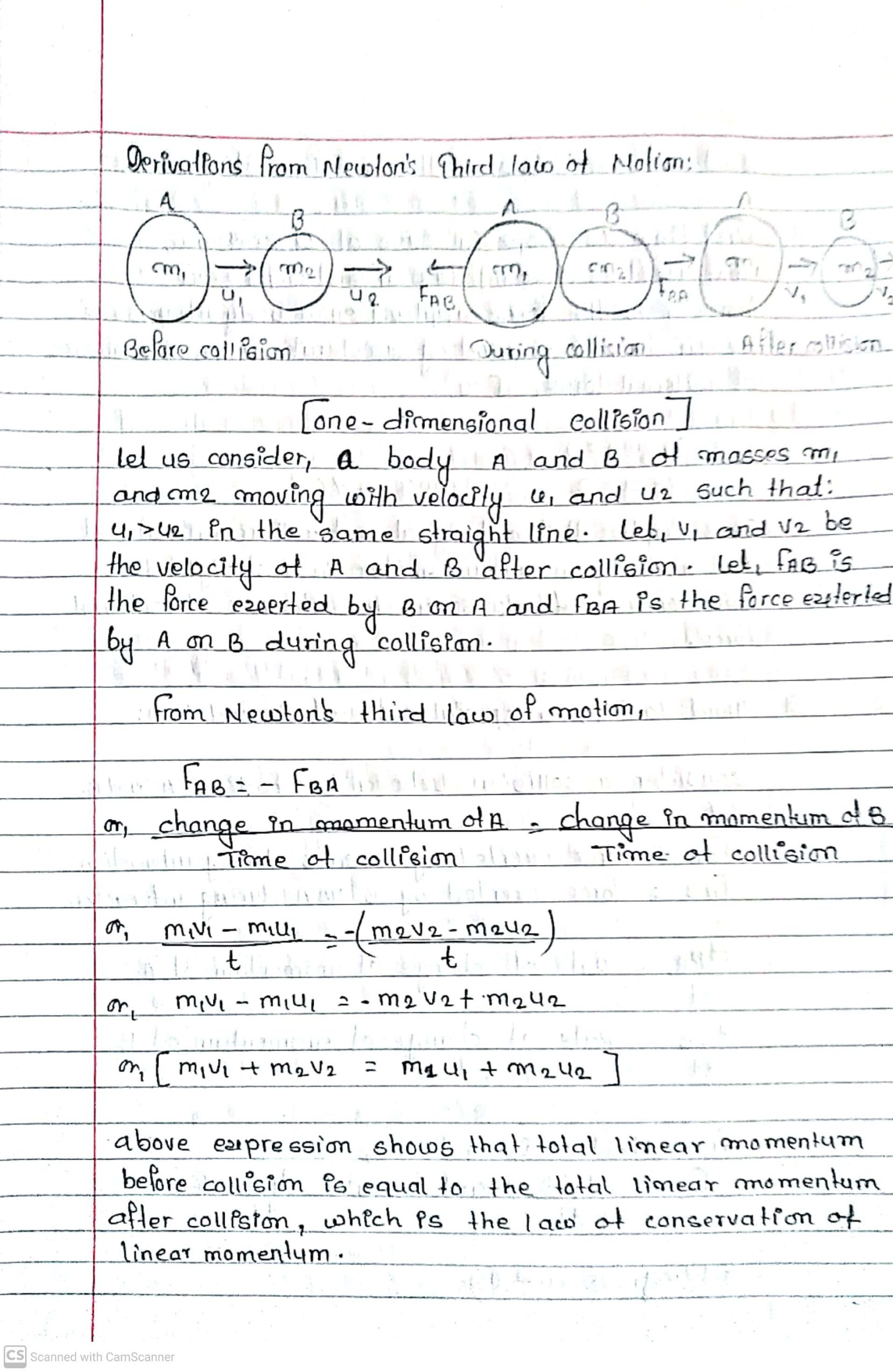
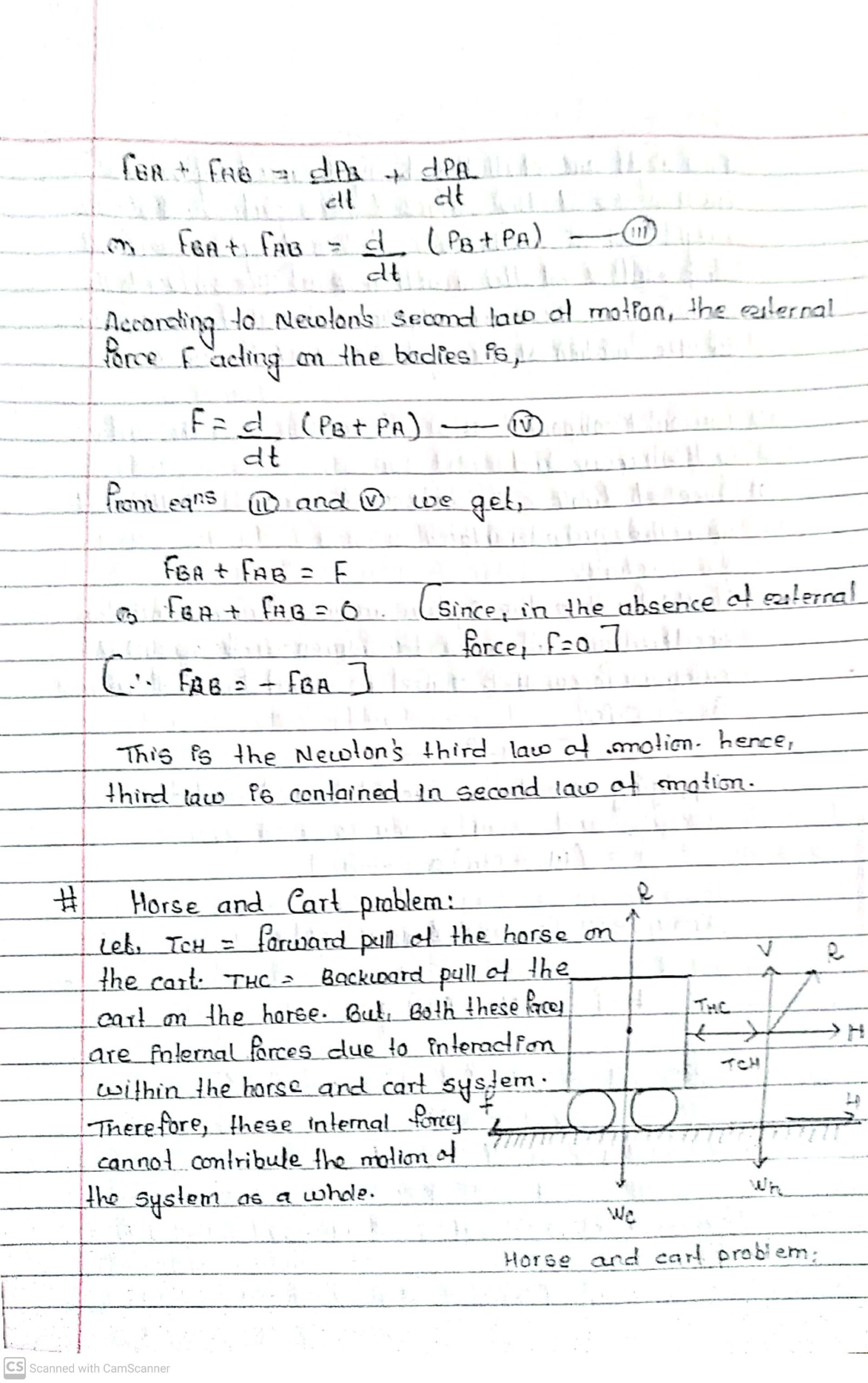
Third Law: For every action, there is an equal and opposite reaction.
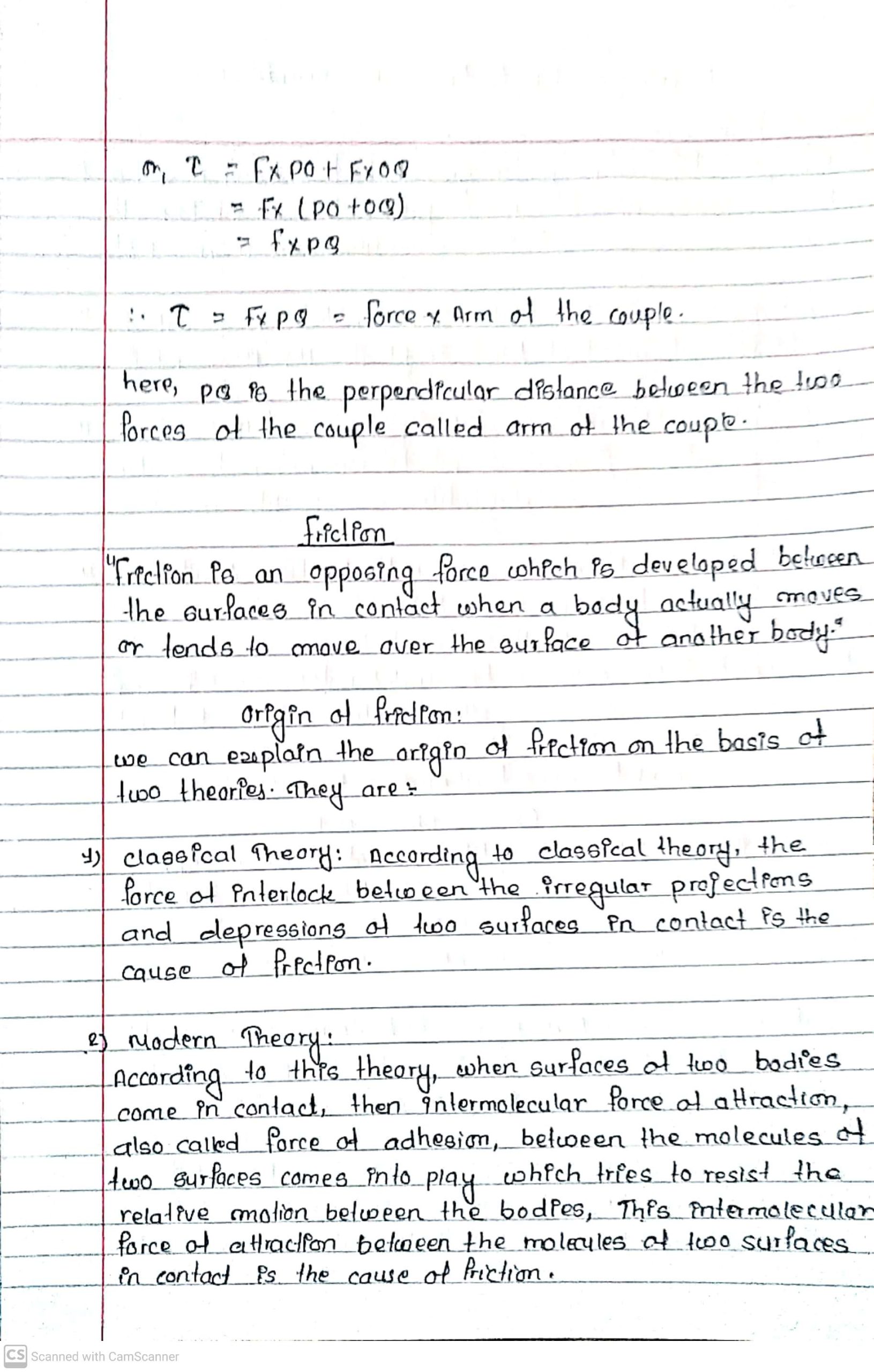
Dynamics allows us to understand how forces such as gravity, friction, and tension influence the motion of bodies.
Statics
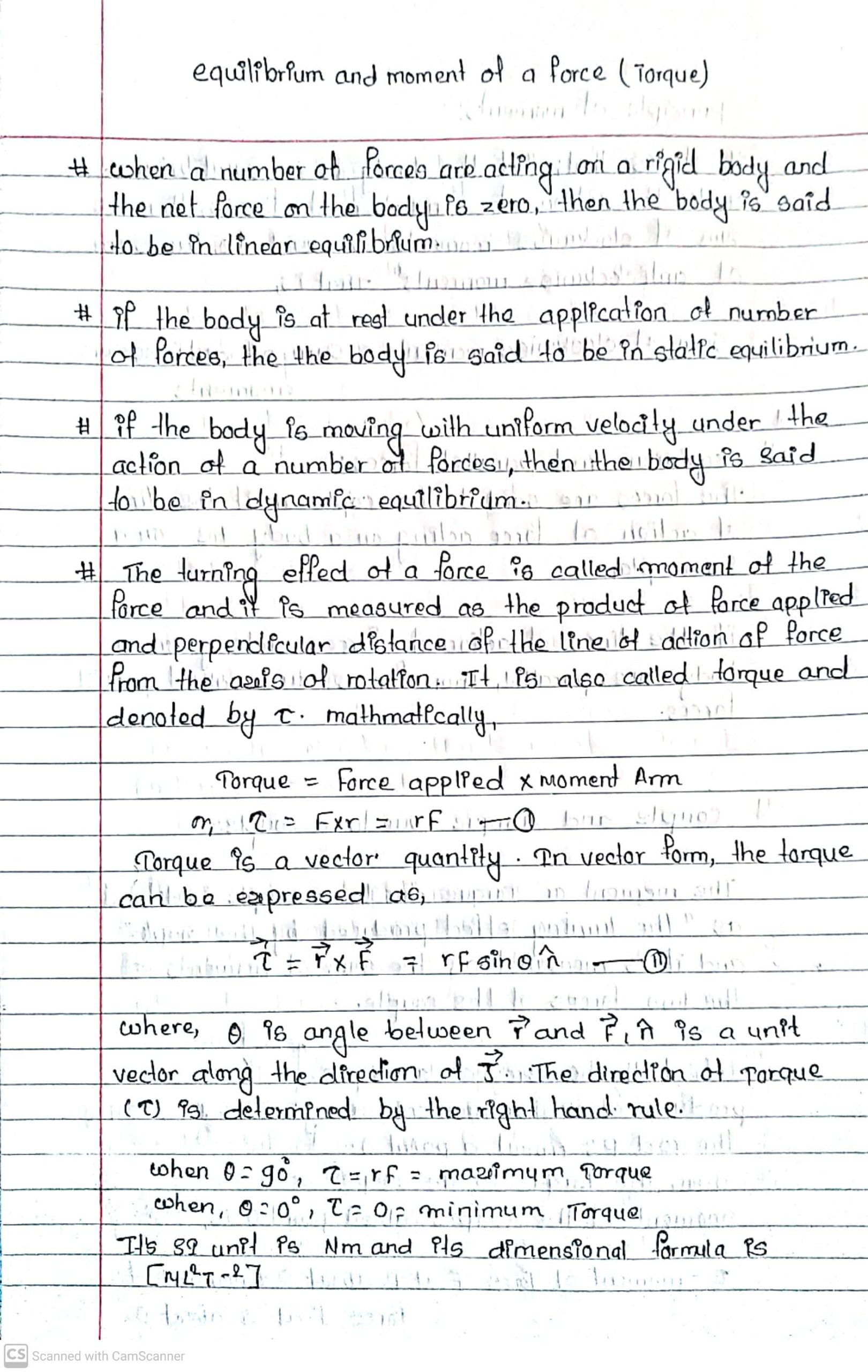
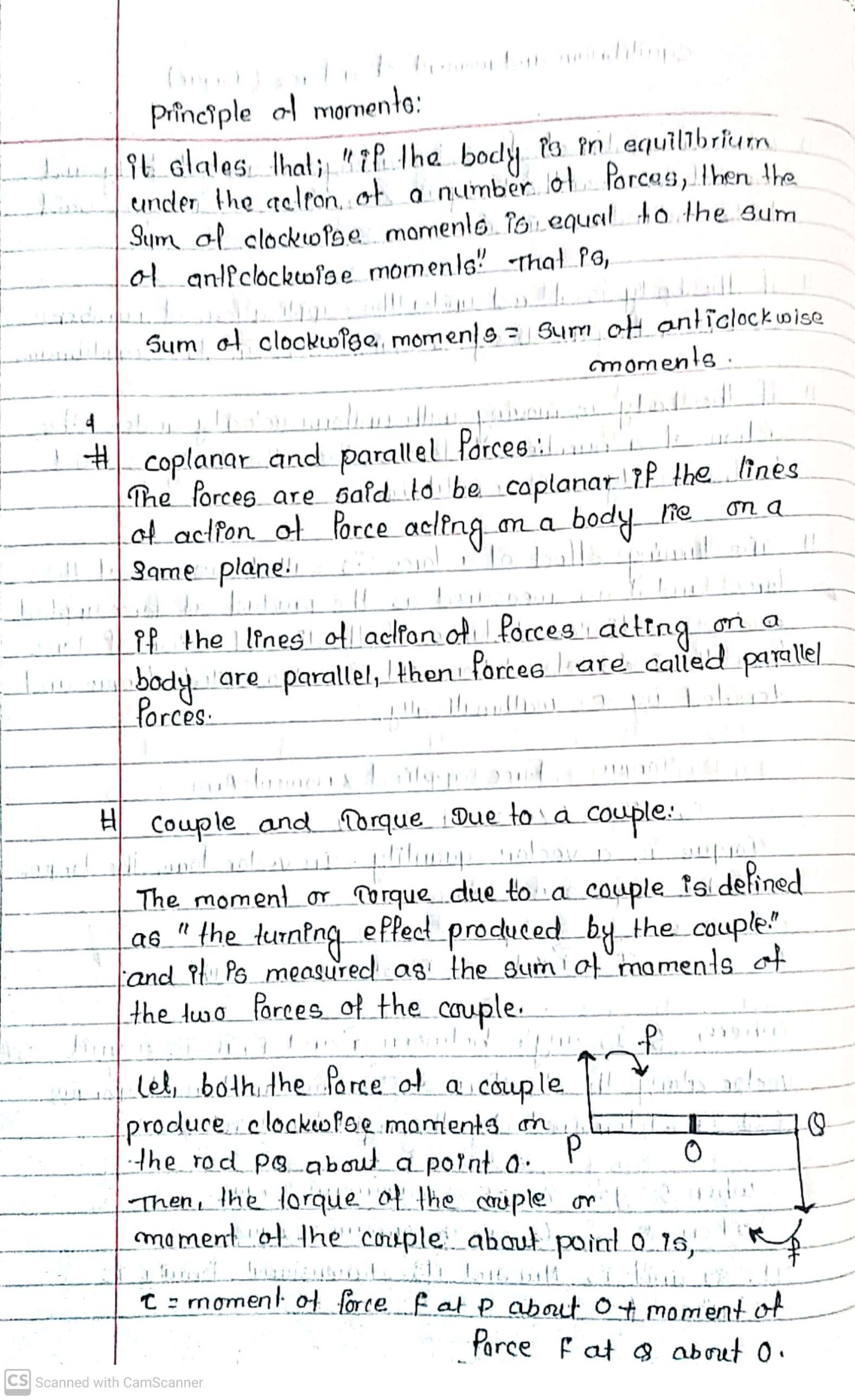
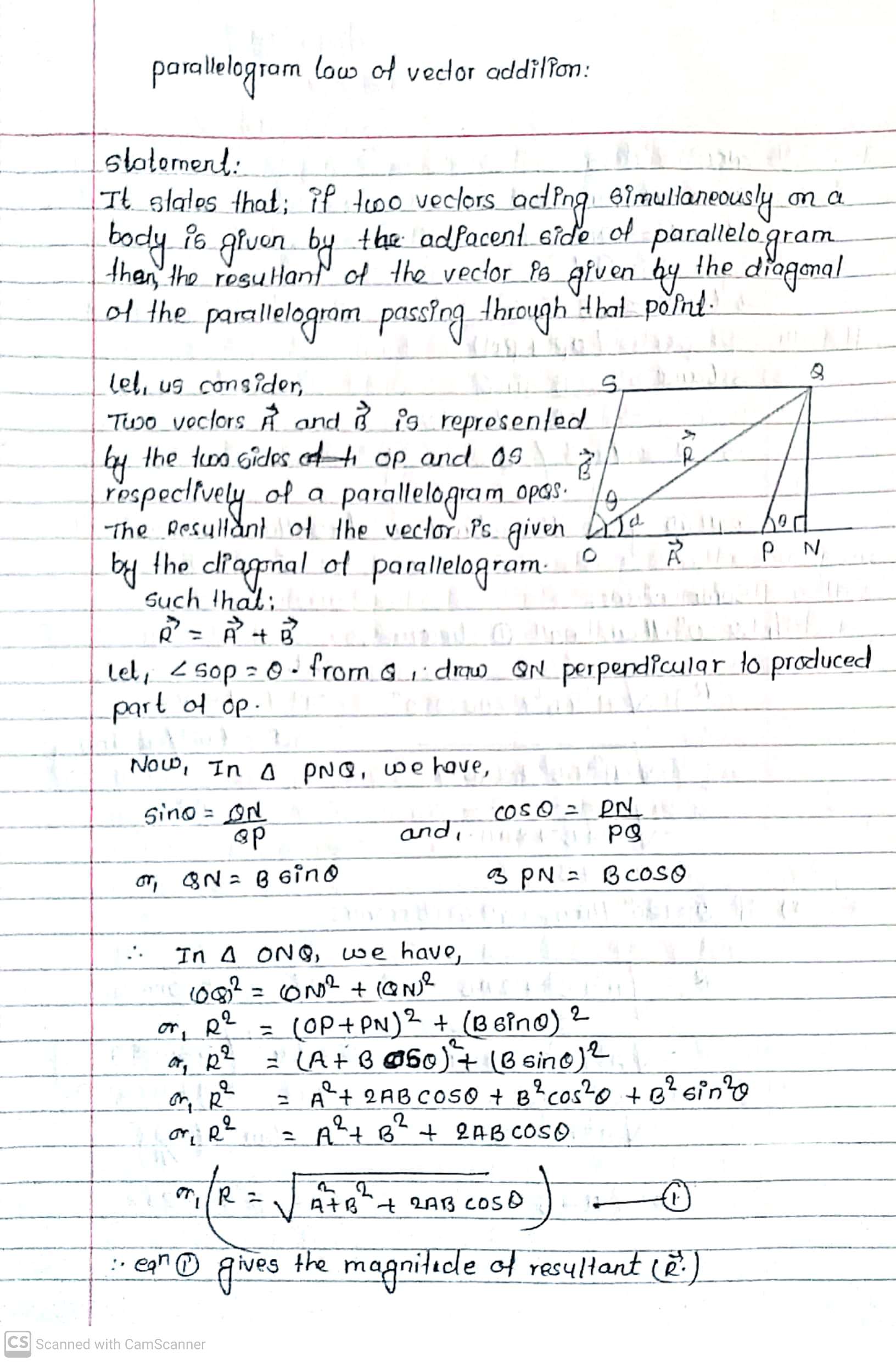
Statics deals with bodies at rest or moving with constant velocity, where the net force and torque on the body are zero. It studies equilibrium conditions, which are essential for designing structures like bridges and buildings. The sum of forces and the sum of moments about any point must be zero for a body to remain in equilibrium. Concepts like center of mass, torque, and moment of inertia are crucial in solving statics problems.
Work, Energy, and Power
Work is done when a force moves an object through a distance, expressed as W=F⋅d⋅cosθW = F \cdot d \cdot \cos\theta. Energy is the capacity to do work, and it can exist in various forms such as kinetic energy and potential energy. The work-energy theorem states that the net work done on a body equals its change in kinetic energy. Power is the rate of doing work (P=W/tP = W/t). These concepts are widely applied in mechanics to analyze motion and forces efficiently.
Conclusion
Mechanics forms the foundation of classical physics and is critical for understanding the behavior of objects under various forces. A strong grasp of mechanics concepts helps students solve practical problems in engineering, astronomy, and everyday life. By studying kinematics, dynamics, statics, and energy principles, students can analyze and predict the motion of objects accurately, making mechanics an essential part of Class 11 Physics.